"It was my second time with Shingo and this time my husband was also with me and we both extremely enjoyed the whole time with him. He is always passionate, kind, and funny. It was really a pleasure to us to make this tour with him. Everything was perfect."
Akihabara · Electric Town Gate · Private, Built Around Your List
Tokyo Anime Tour
Akihabara is free to walk into, walkable end to end in twenty minutes, and completely opaque if you cannot read the signs. This is the private tour that asks what you are hunting for before you arrive — and an honest account of when paying a guide is worth it and when it is not.
Top rated
From
$94
per person
Free cancellation
- 4.8 / 5 173+ Reviews
- 15 Tours Compared on This Site
- Private Built Around Your List
- Free Cancellation
The Experience
What the Private Akihabara Tour Actually Includes
Lifted straight from the operator's own listing on the booking platform — including what it leaves out, which on this one matters.
Highlights
- Private Akihabara anime tour—crafted for what you love
- Immerse yourself in Otaku culture and find your favorite anime in Akihabara
- Get covered in merchandise like figures & T-shirts that have sprung from Anime
- Search for your favorite manga books and comics, and hunt for rare retro games
- Be entertained by the cute maids at a Maid Cafe as you enjoy a refreshing drink
What's Included
- Walking tour
- English-speaking guide
- Customizable experience
How the Private Akihabara Day Runs
A message before you fly, a meeting point at one station gate, and roughly seventy minutes of published stops — with everything else built around what you asked for.
Send Your Shopping List Before You Fly
This is the step that makes the private tour worth its price, and it happens before you land. The operator's own note is explicit: after booking, the guide contacts you on WhatsApp or email to ask what you are specifically looking for, and asks you to reply. Series names, a character, a particular figure line, a console model — the more specific you are, the less of the day gets spent narrowing down.
Meet at the Electric Town Gate, Not Inside the Station
The meeting point is in front of the ticket office just outside the Electric Town Gate of JR Akihabara Station — the same gate three of the other tours in this comparison use. It is the western side of the station, facing Chuo-dori. There is no hotel pickup on this tour; the listing excludes it outright.
Radio Kaikan, Super Potato, Then an Arcade
The published itinerary allocates 20 minutes at Akihabara Radio Kaikan, 20 minutes at Super Potato and 30 minutes at TAITO Station Akihabara, then returns to the station. That is roughly seventy minutes of named stops. Everything else on the day is built from your list, which is the point — but it also means the itinerary block is not a promise of duration.
A Maid Café — But Read the Exclusions First
The operator's description and highlights both say you visit a maid café for a drink. Its exclusions list says food and drinks are not included. So on this tour the café cover charge and the drink are yours to pay on the spot, unlike two cheaper tours on this page that bundle them in. Budget a few thousand yen if you want the café stop.
Photo Gallery
Akihabara, Floor by Floor
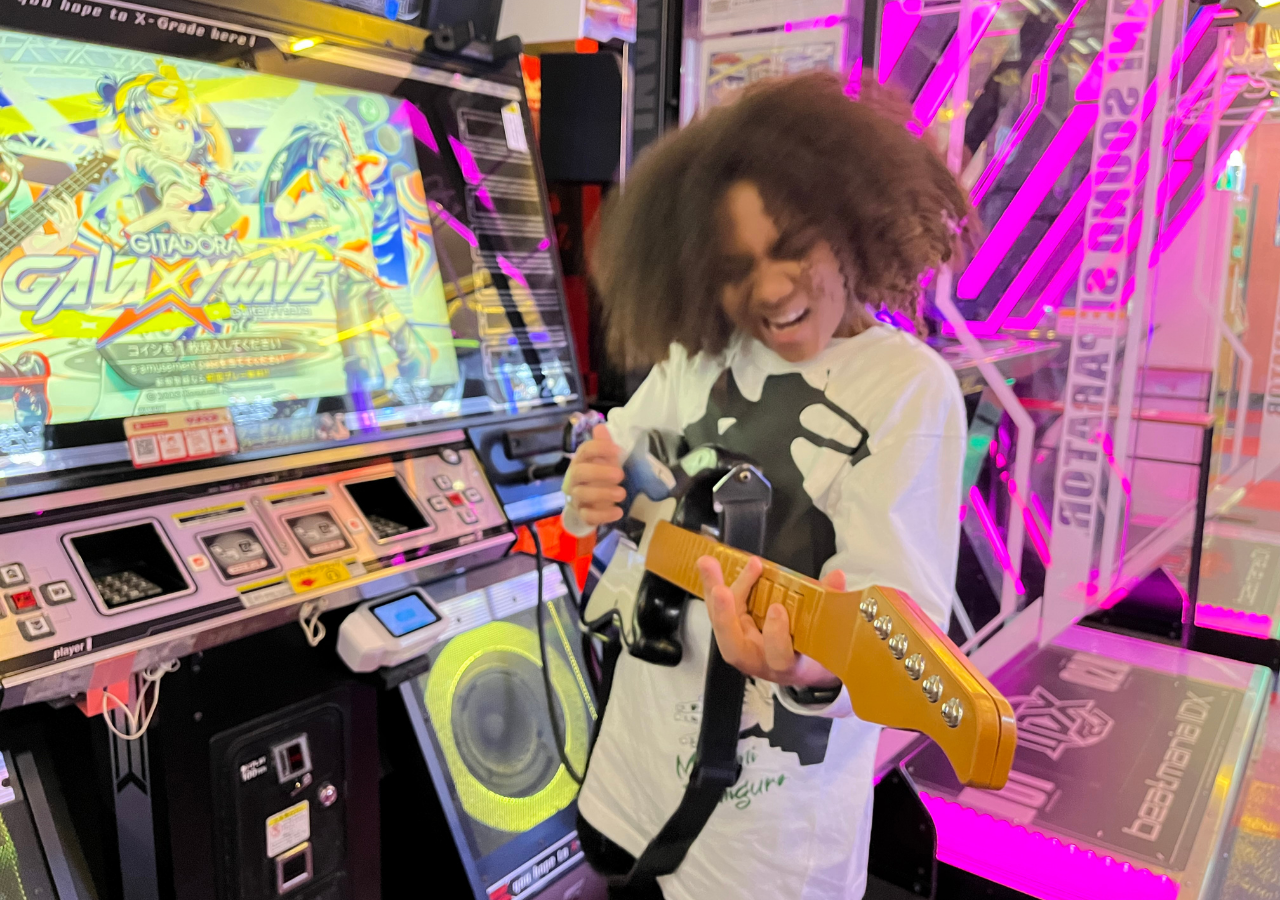
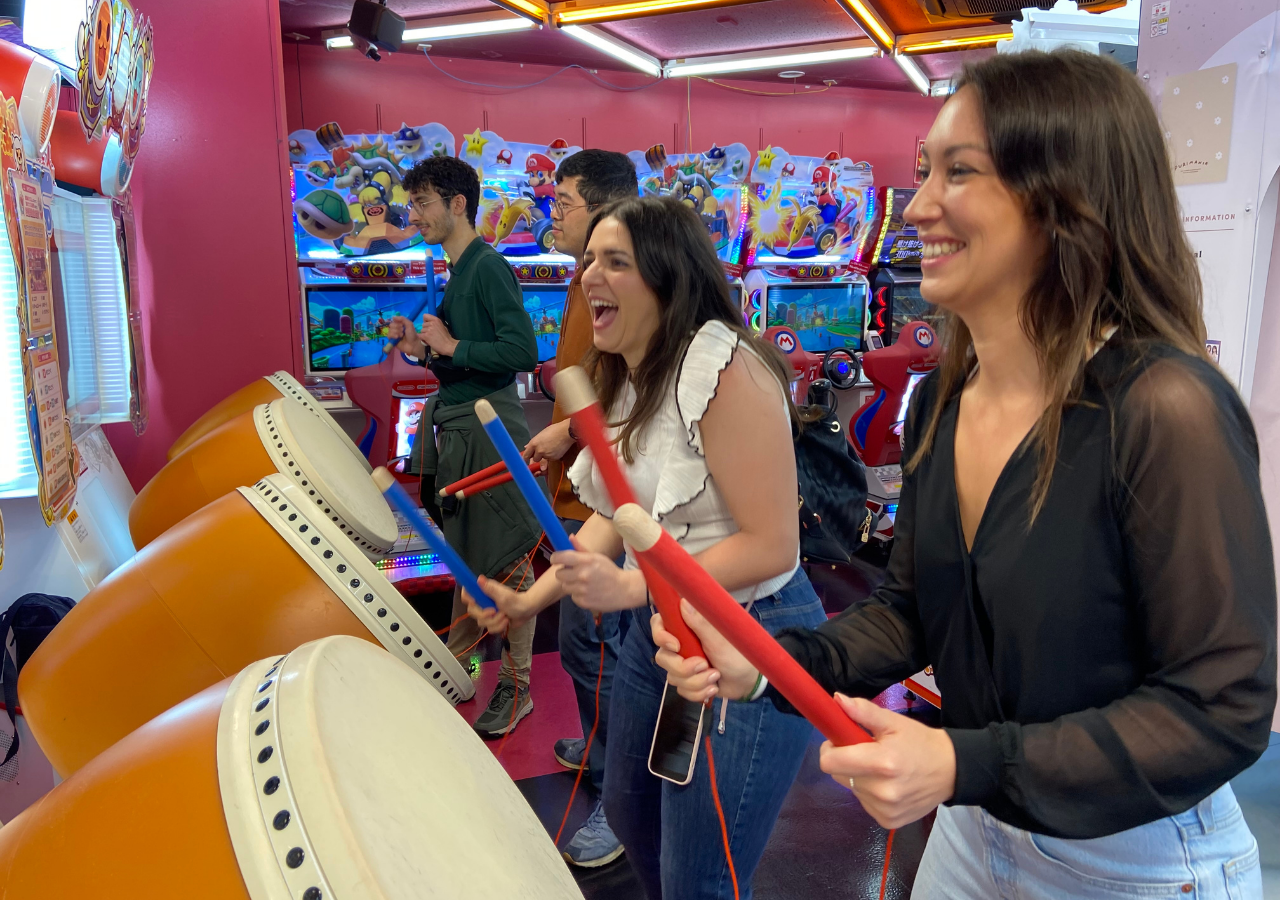
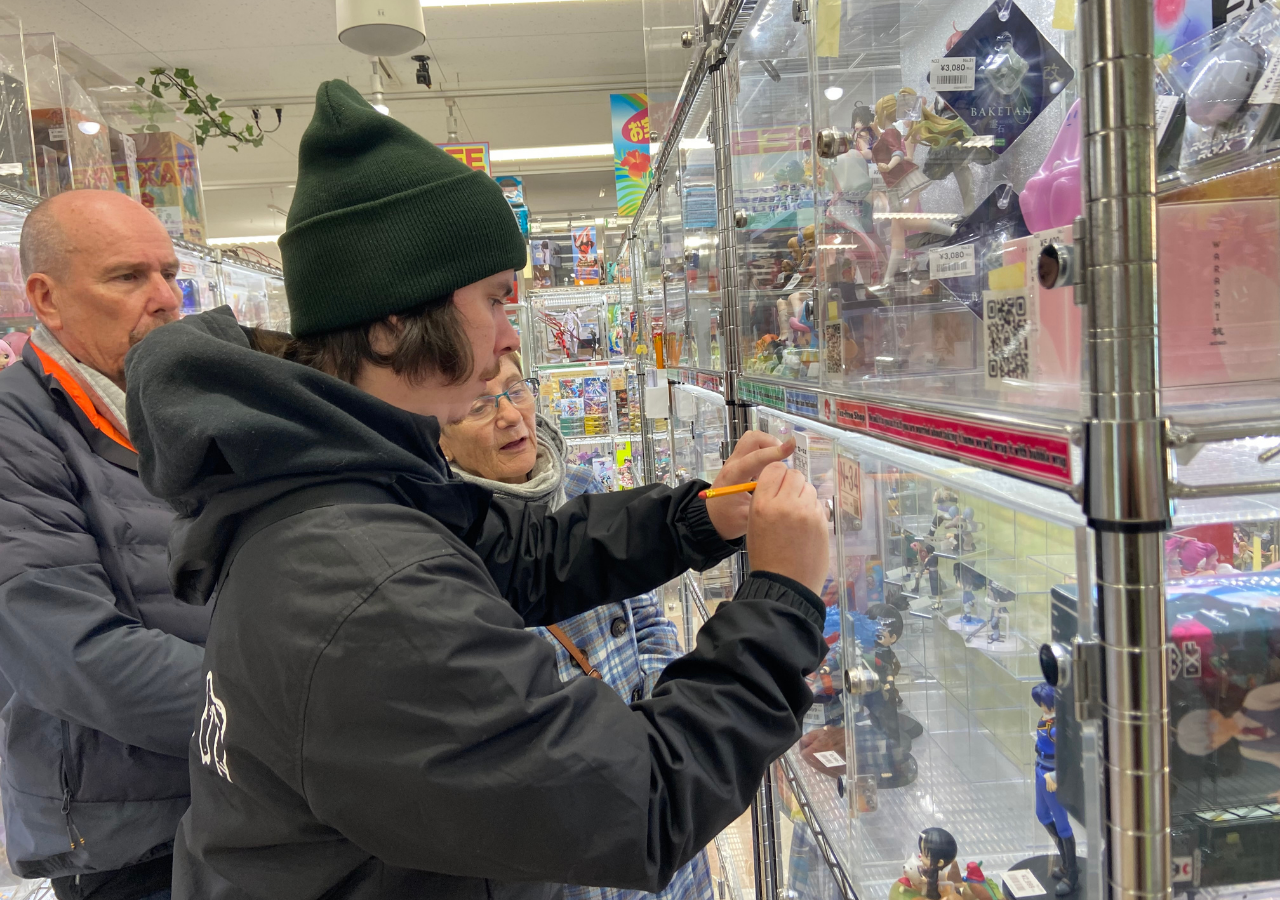
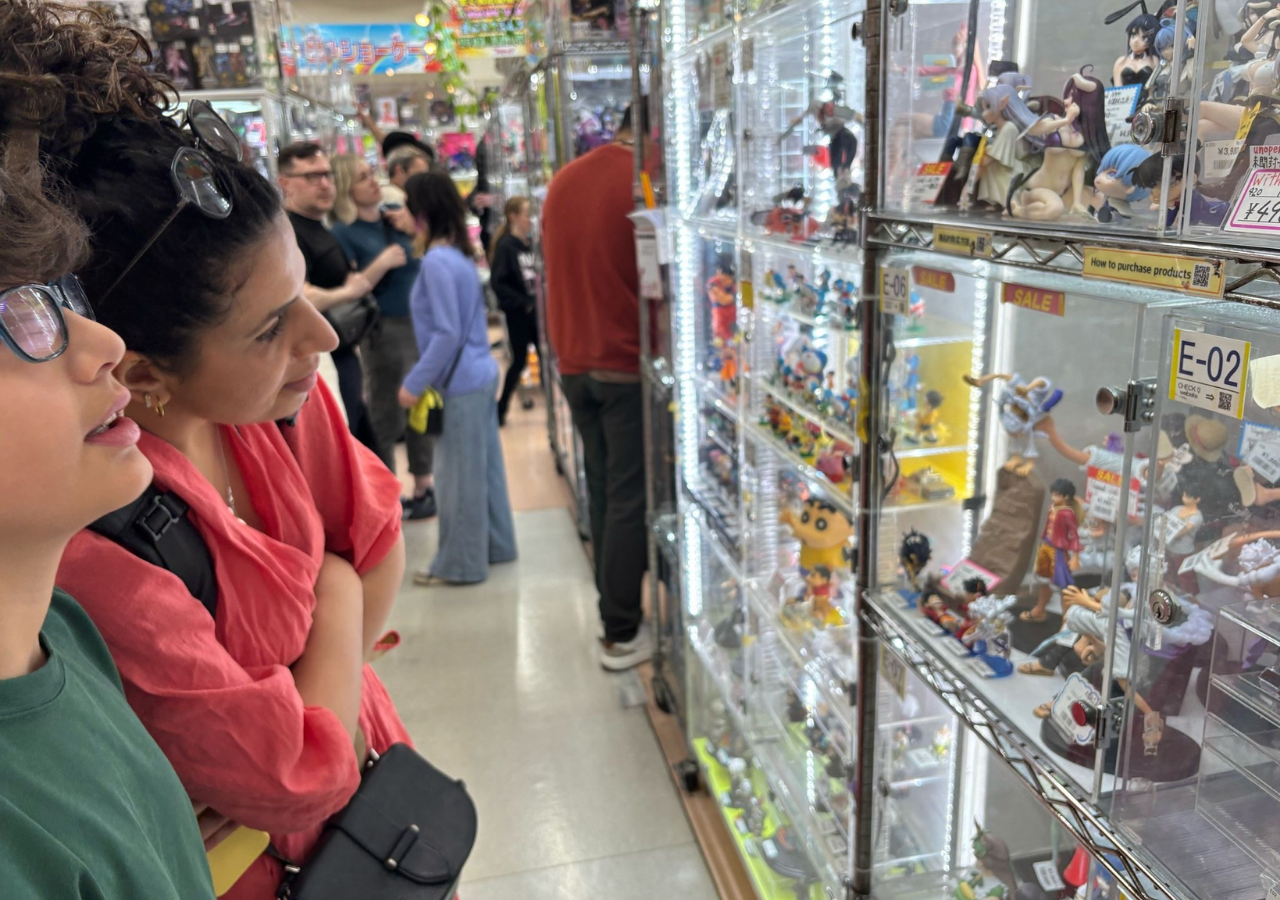
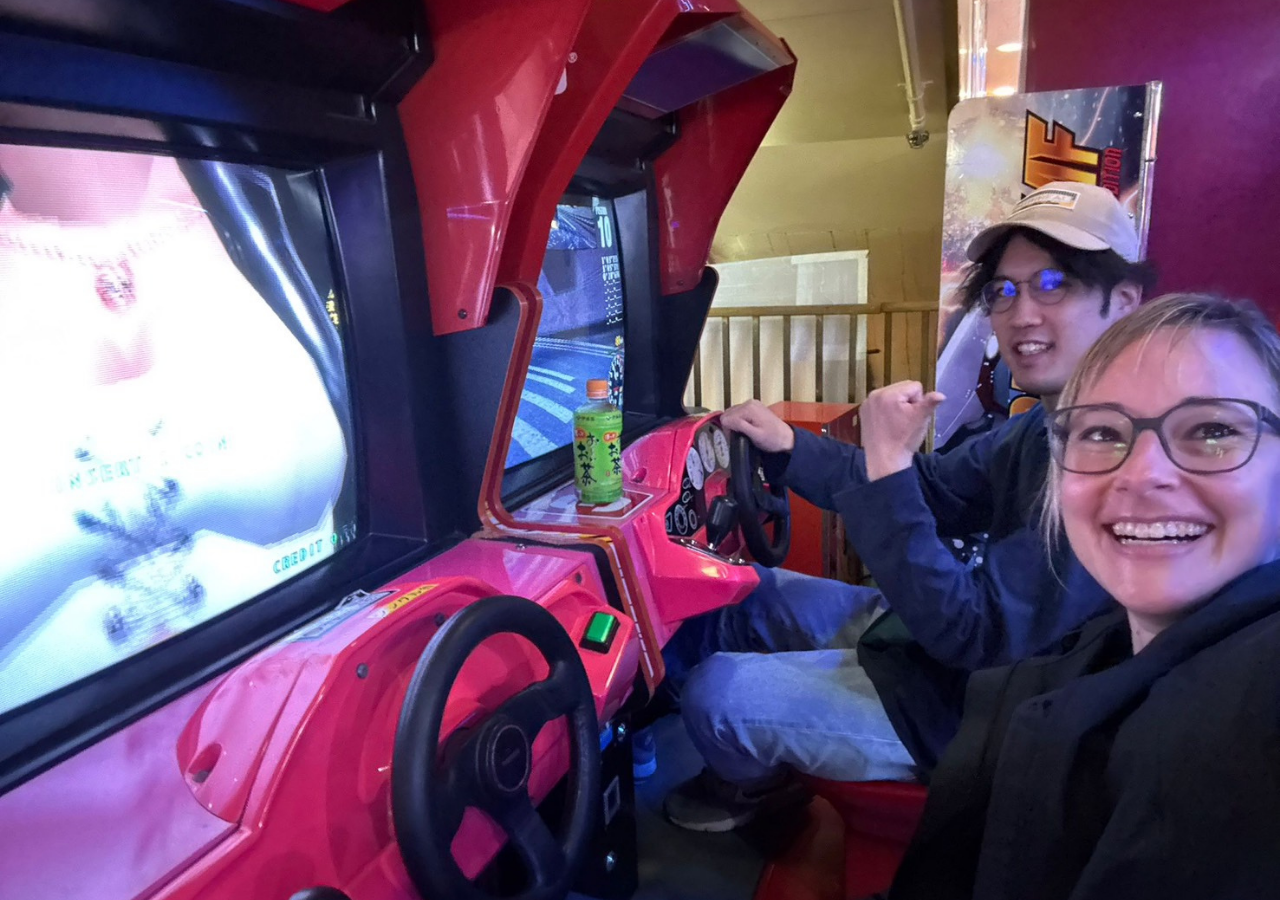
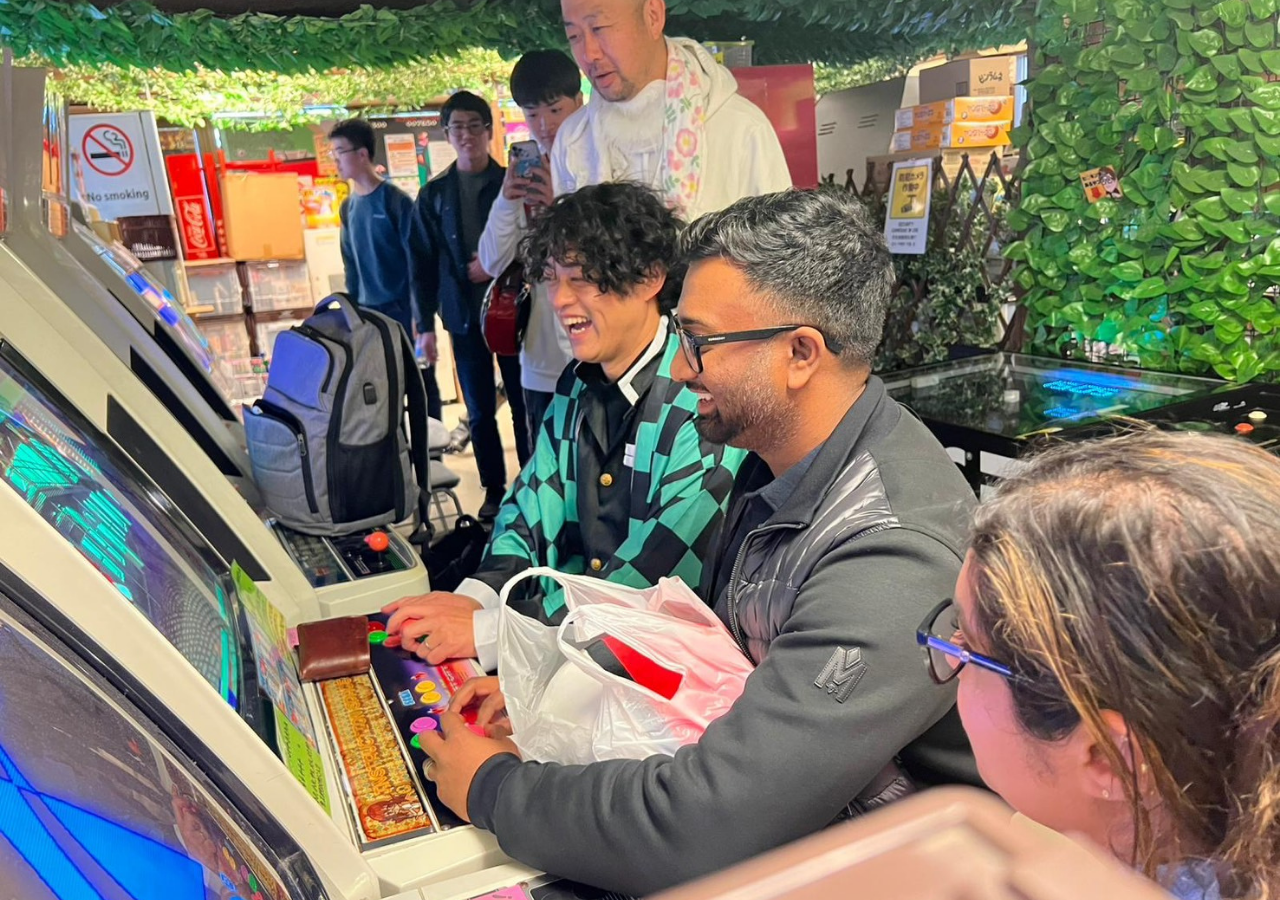
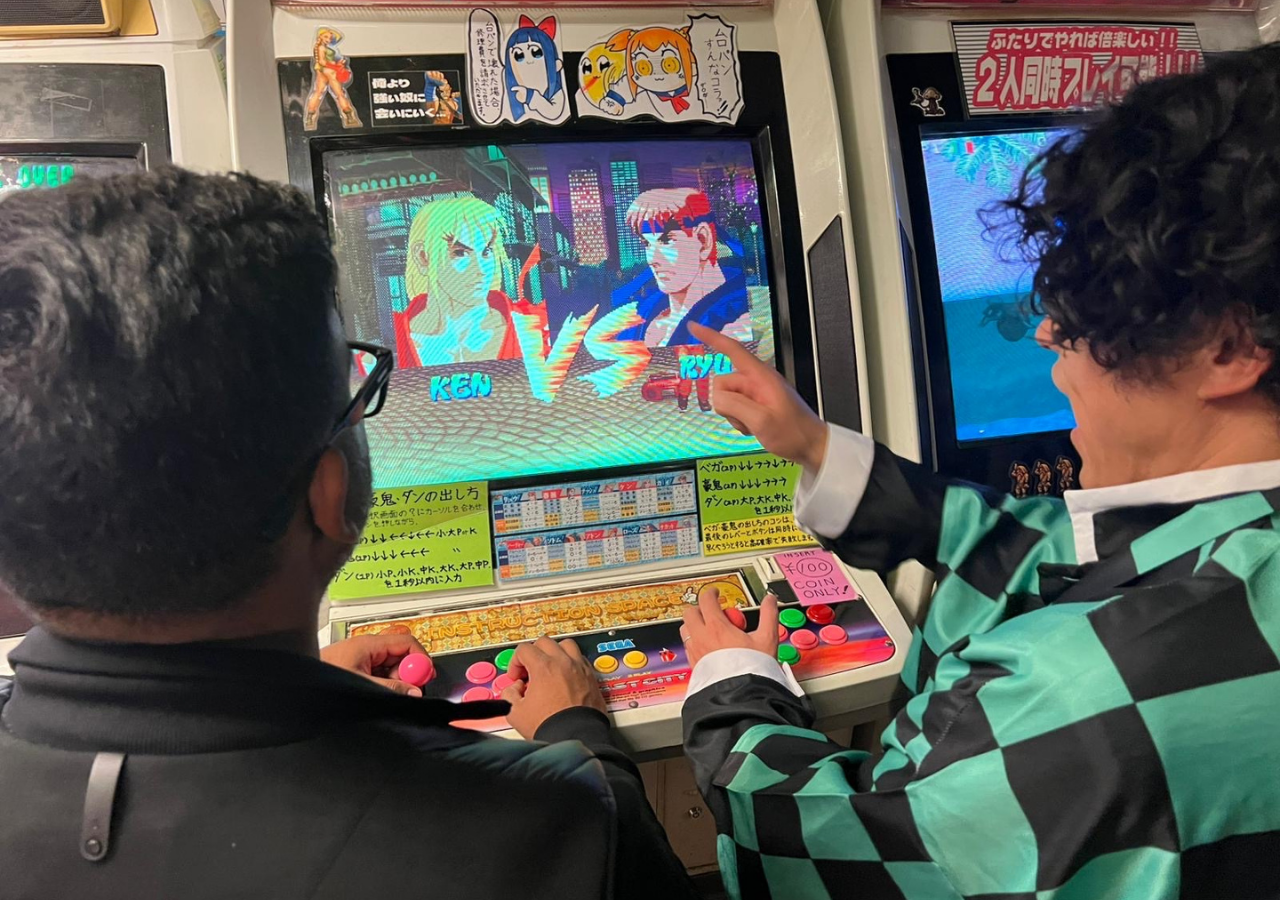
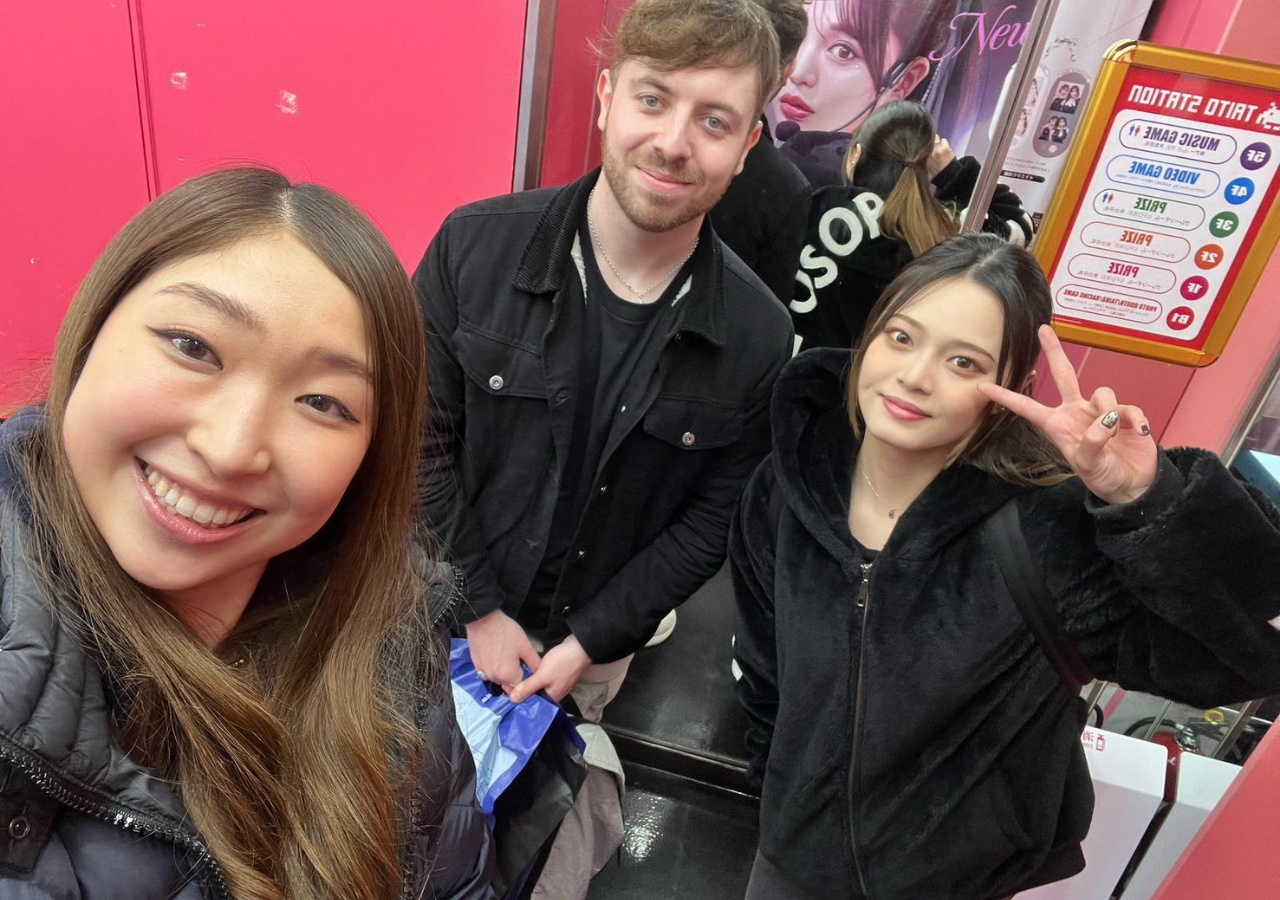
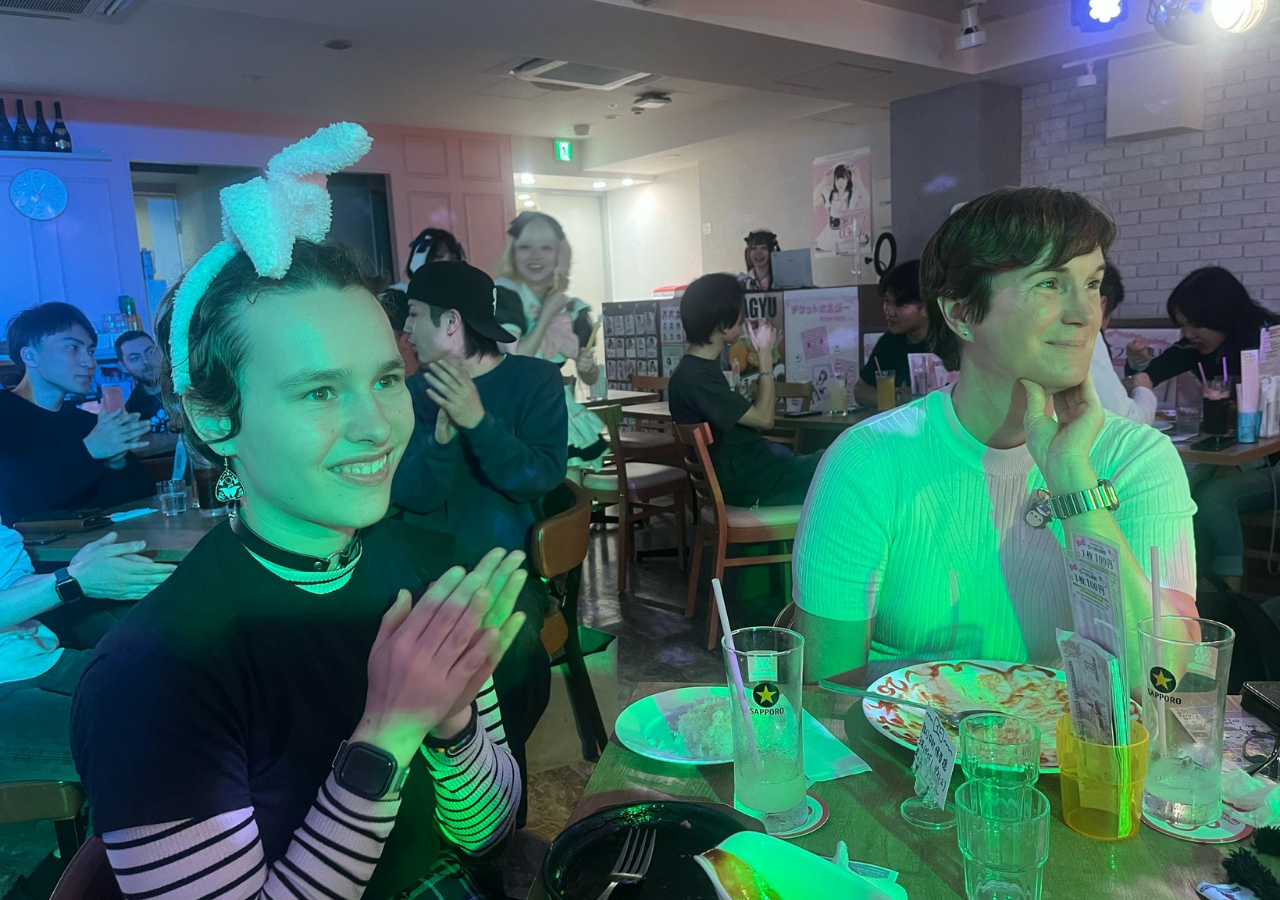
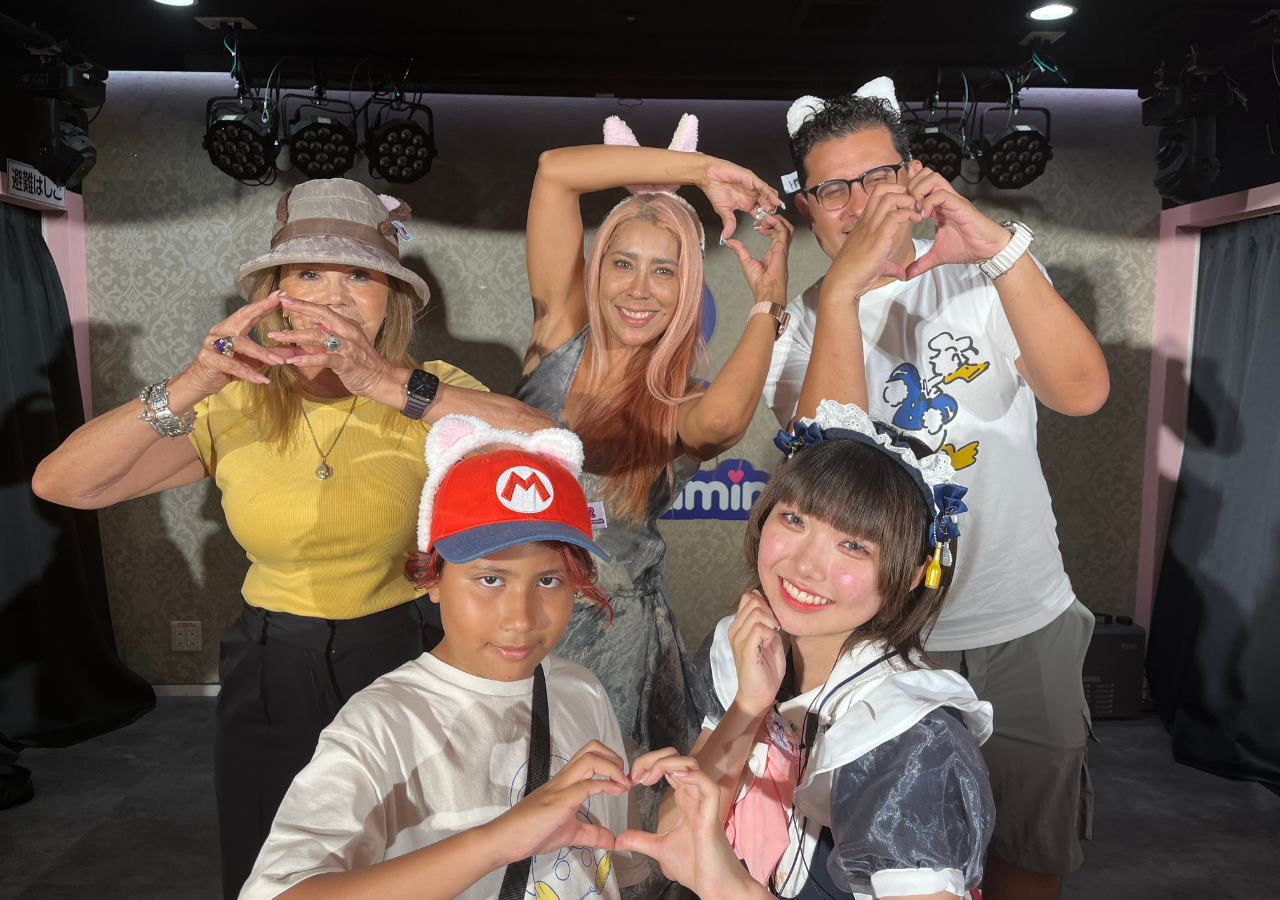
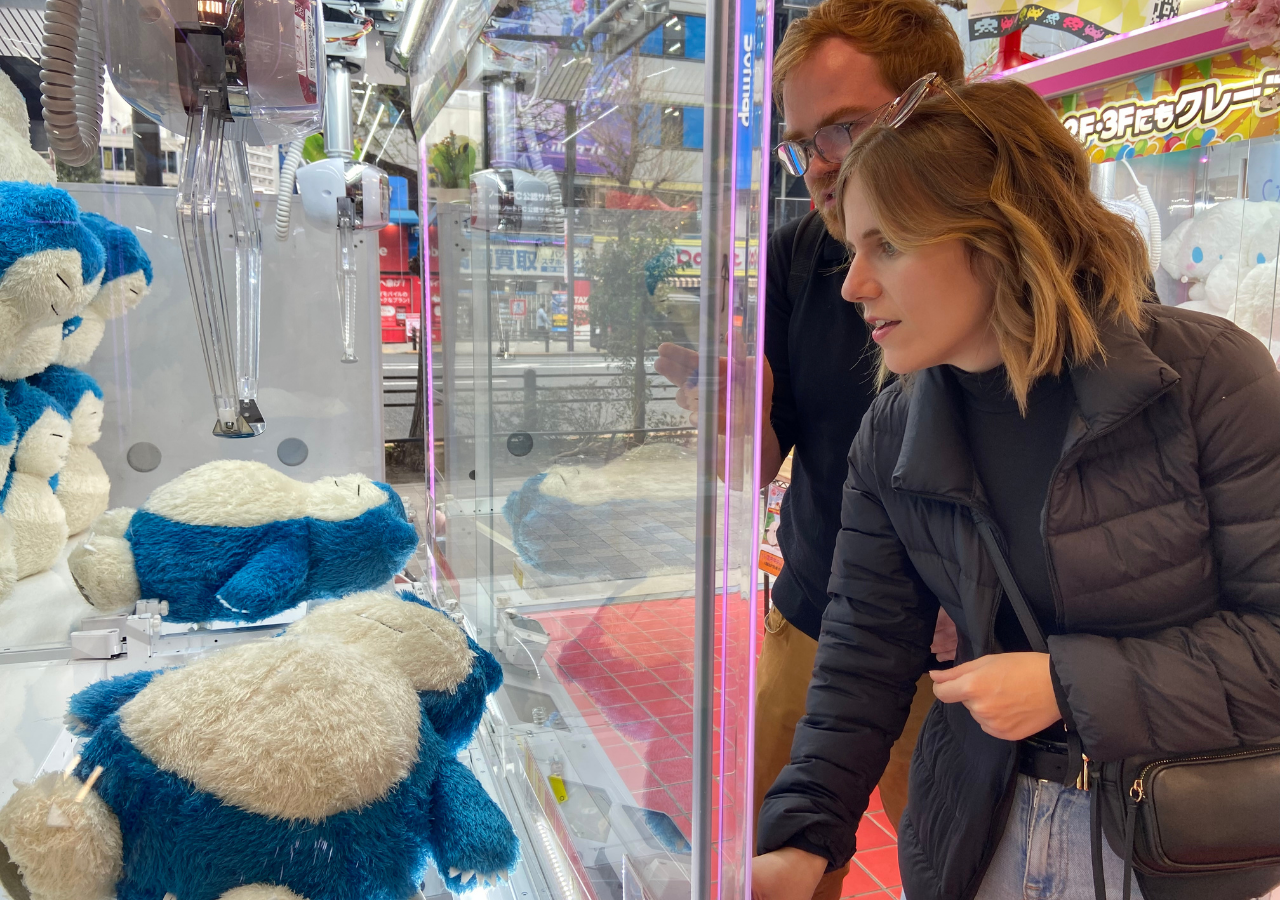
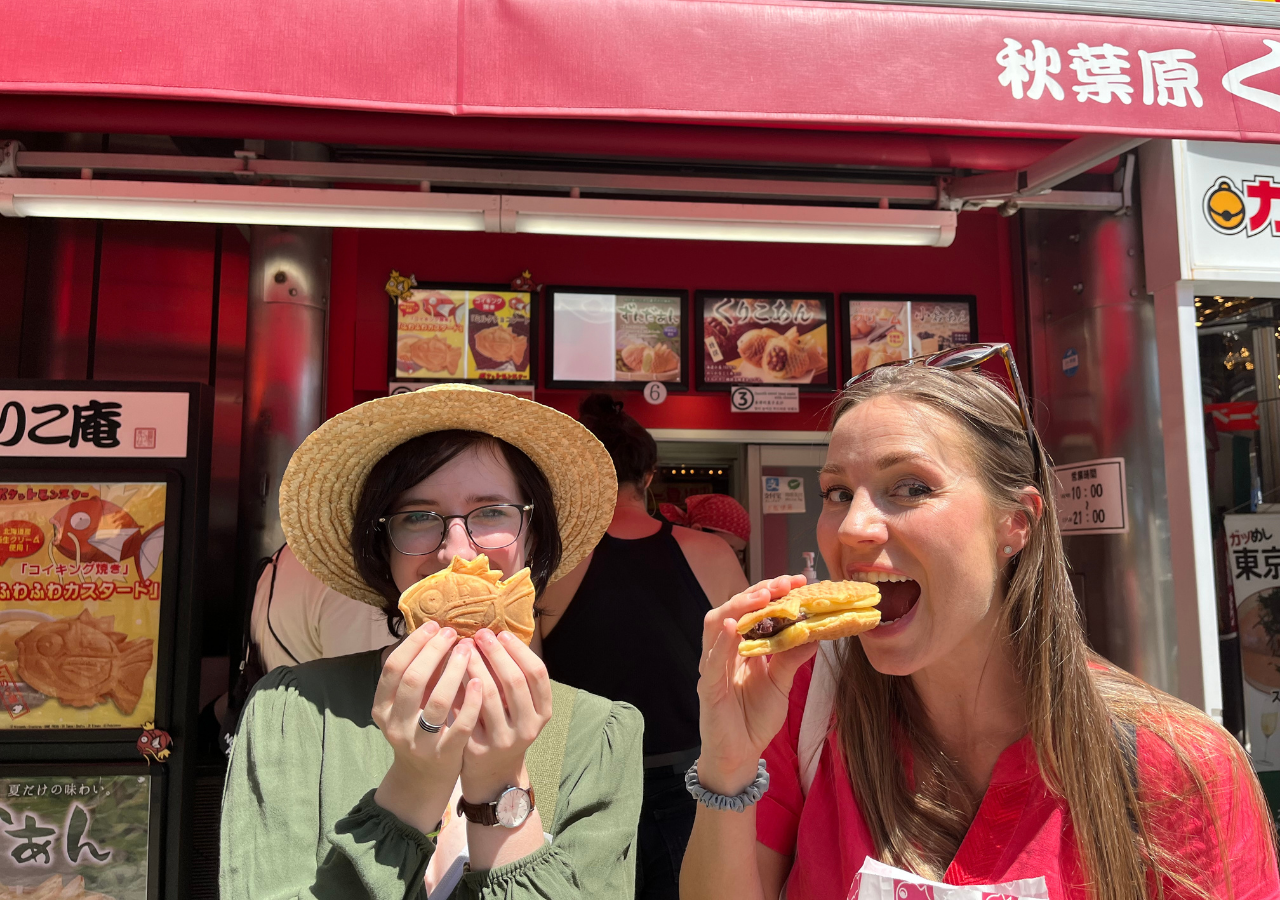
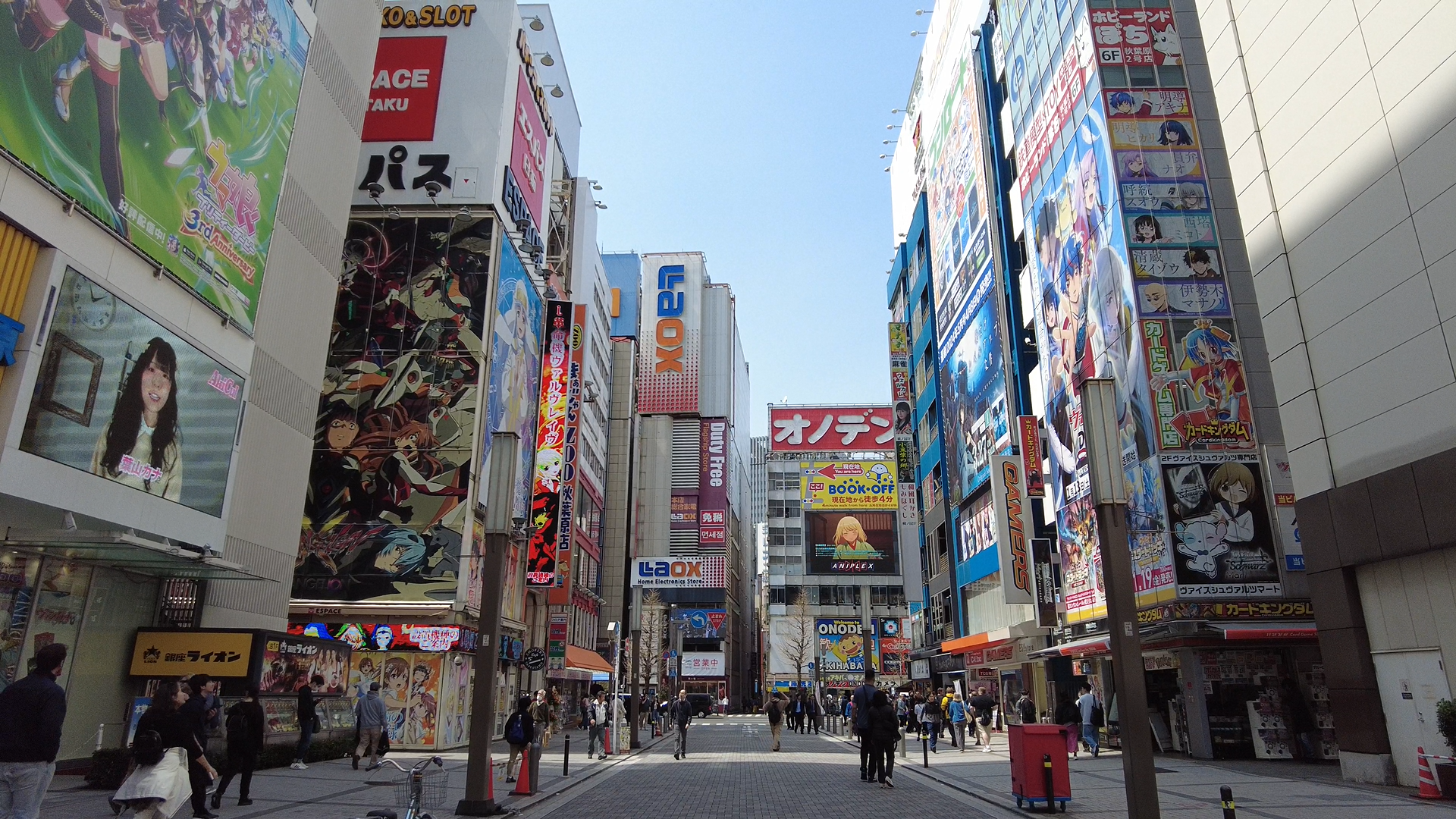
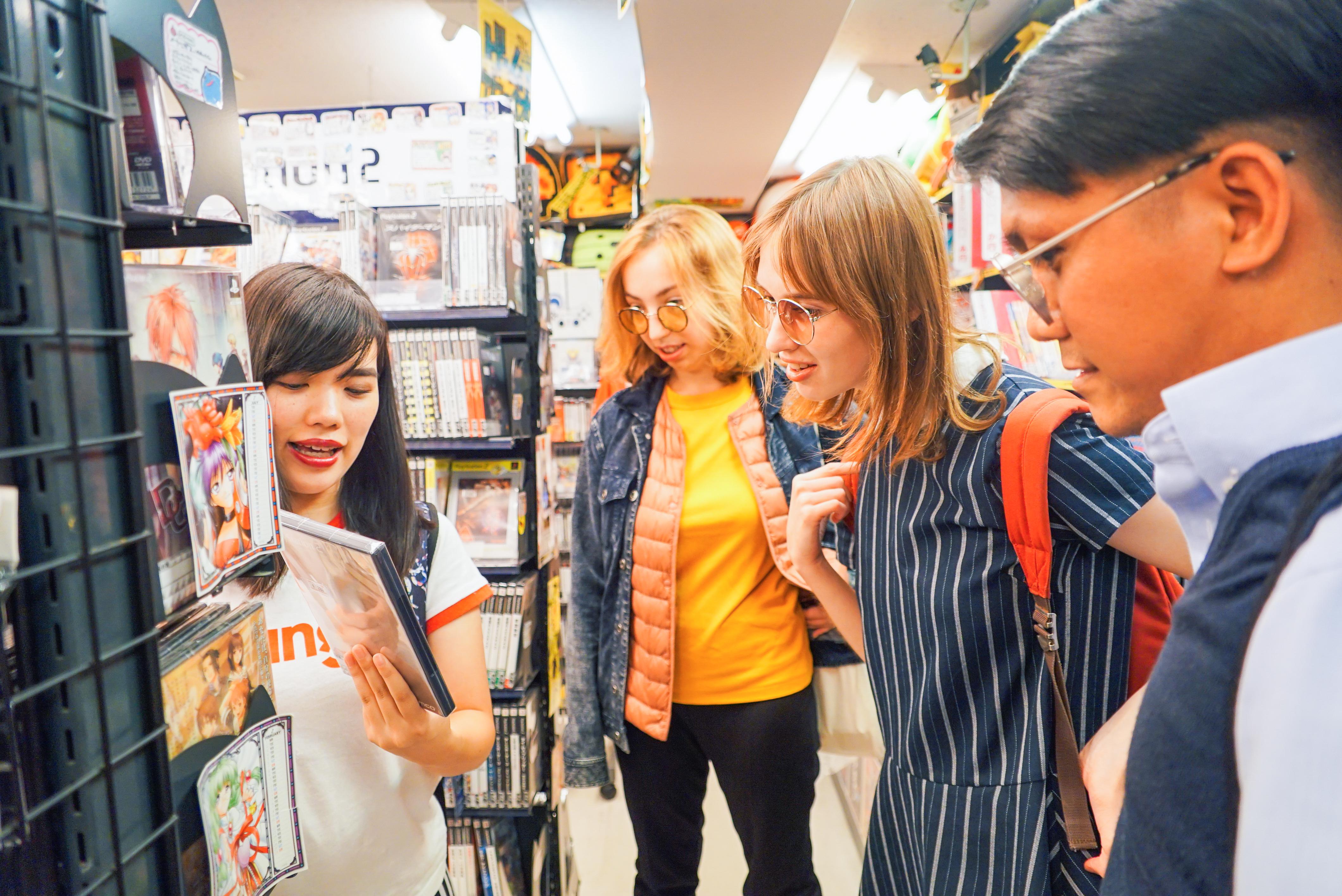
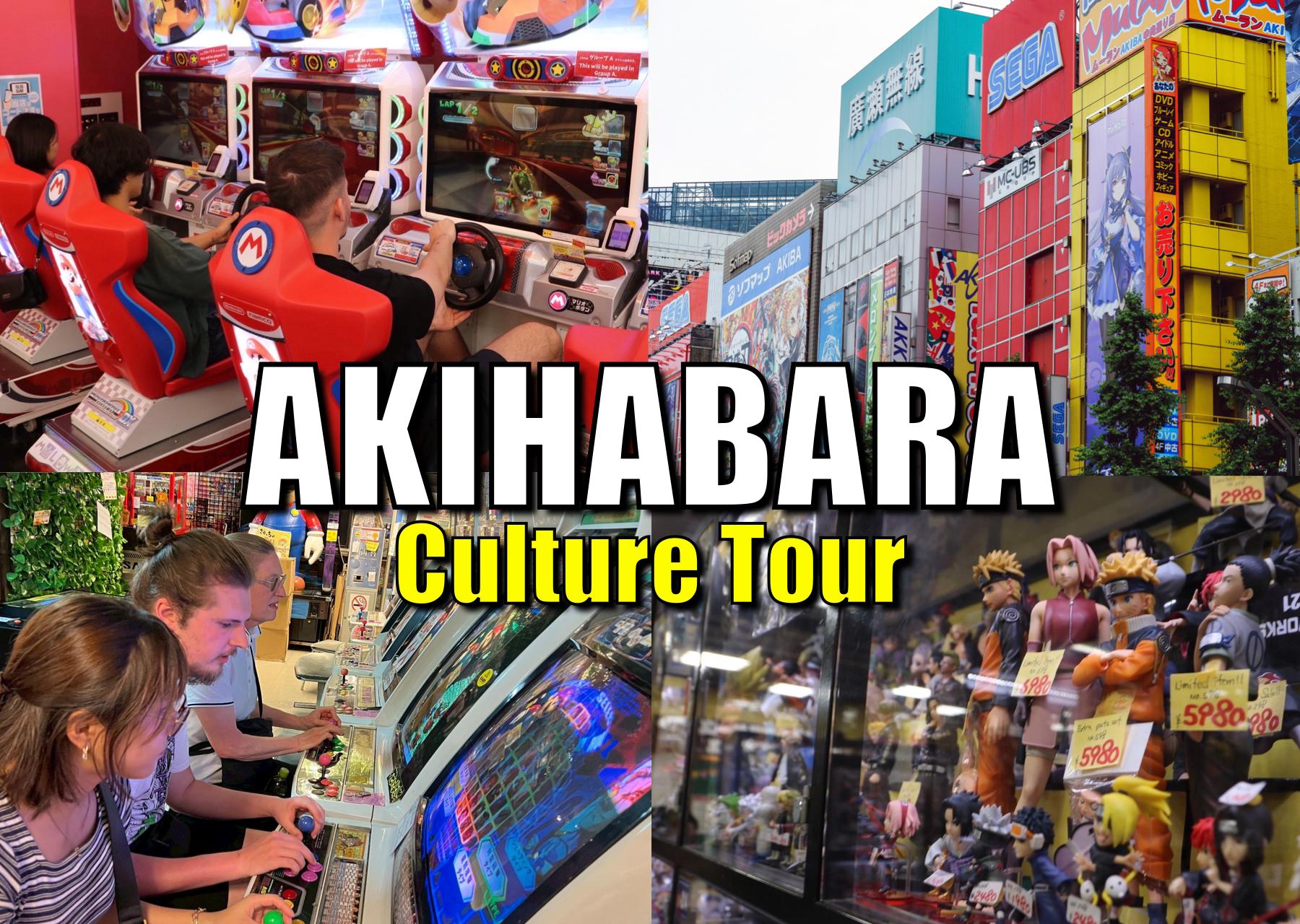
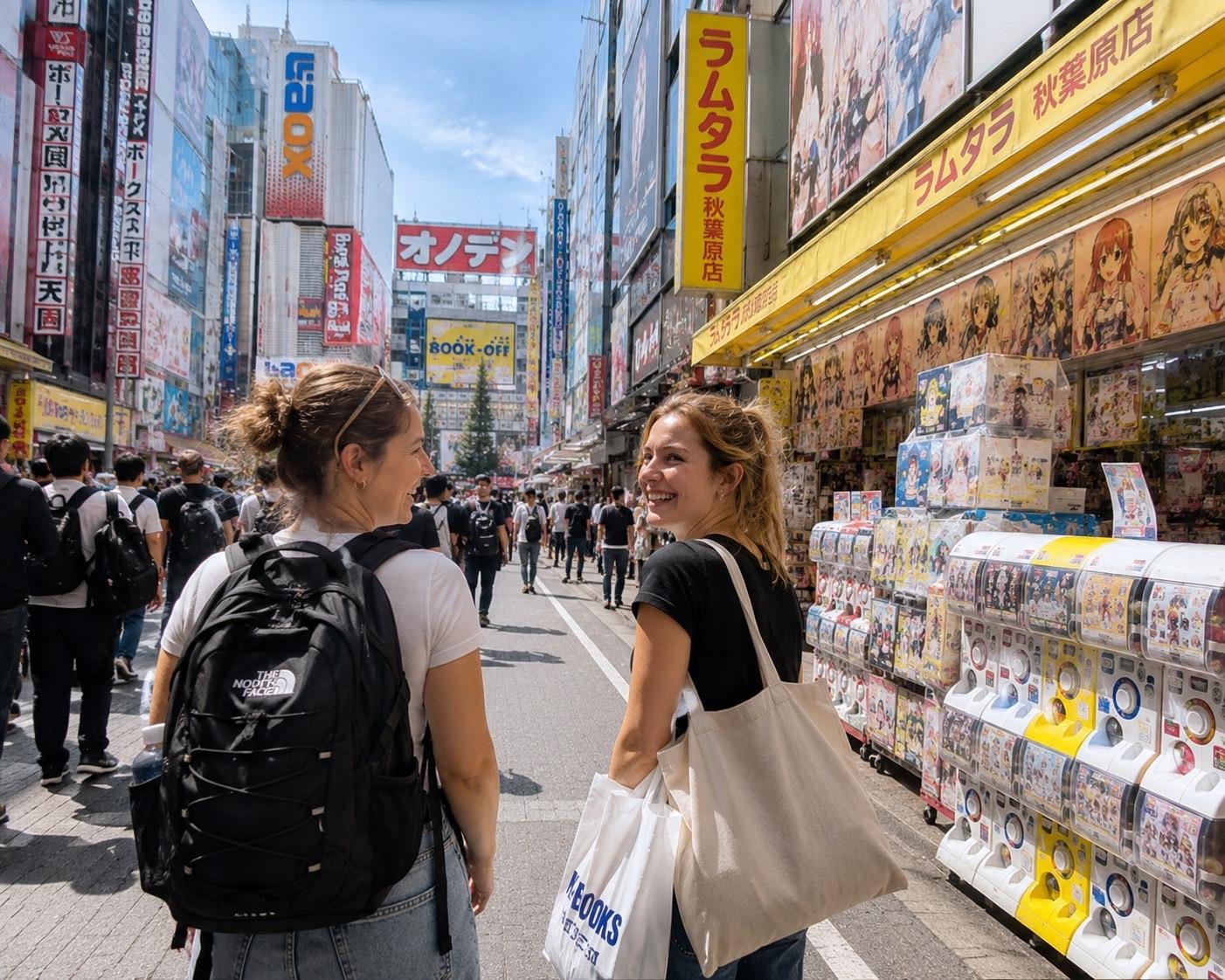
Shop walls, arcade cabinets, capsule machines and the six-storey signboards along Chuo-dori — the operator's own photographs of the route.


Book Your Experience
Check Availability & Prices
Select your preferred date and time. Instant confirmation — free cancellation up to 24 hours before departure.
Three Ways to Do Akihabara
One of them is free and always has been. The honest question is not whether Akihabara is worth a guide — it is what, specifically, a guide is being paid to do. Every figure below is the booking platform's own, captured in August 2026.
| Feature | BUILT AROUND YOUR LIST Private Anime & Pop Culture Tour | Group Tour With the Maid Café Paid For | Walk It Yourself — Free |
|---|---|---|---|
| What You Pay | From $93.83 per person | From $38.04 per person — 41% of the private tour's price | Nothing to enter. Akihabara is a public district and the shops charge no admission |
| What Is Inside the Price | A private English-speaking guide and a route customised in advance. The listing excludes food and drinks outright — which includes anything you order in the maid café it takes you to | An English-speaking guide, one hour of maid-café admission, one drink and one photo. Merchandise and any extra food are excluded | Whatever you feed the machines. One operator tells its guests to bring ¥800–1,500 in coins for arcades and capsule toys — that is the honest floor |
| Group Format | Private. The listing is sold as a private tour, so the group is you and whoever you booked with | A guided group walk. The same listing also sells a Hidden Gems variant and a Maid Cafe All-Inclusive variant, and the inclusions differ between them — read which one you are buying | You. On a Sunday you also get the pedestrian zone, when Chuo-dori closes to traffic in the afternoon |
| The Published Route | Radio Kaikan 20 min, Super Potato 20 min, TAITO Station 30 min, back to the station — about 70 minutes of named stops, with everything else built from your list | Radio Kaikan, Tamashii Nations Store Tokyo, Super Potato and Gee Store — two hours of named stops in the itinerary block | The same buildings, in whatever order you happen to find them |
| Who Reads the Japanese | Your guide. The operator's specific pitch is hunting rare consoles and English-language editions of manga with you | Your guide. One reviewer describes exactly what that buys: a lift to the sixth floor, then working down one floor at a time so nothing gets missed | Nobody. Second-hand condition grades and pre-owned pricing are the part that genuinely needs translating, and they are printed only in Japanese |
| Rating on the Platform | 4.8 / 5 from 173 verified reviews | 4.8 / 5 from 194 verified reviews — a deeper review count than the private tour | Not applicable |
| Best For | Anyone arriving with a specific list — a figure line, a console model, a series — who does not want to spend the afternoon narrowing down | First-timers who want the district explained and the maid café handled, and would rather not pay twice for the same walk | Repeat visitors, anyone on a tight budget, and people who genuinely enjoy getting lost in a building with no idea what is on floor five |
| Check Availability | See the $38 Tour |
The Rest of the Ladder
Every Other Akihabara Tour Worth Comparing
The same district, at $27, $38, $44 and $54 — with what each one puts inside the price, because that is where they genuinely differ.
 CAFÉ + DRINK INCLUDED
Tokyo Akihabara, Anime, Manga, Video Games & Maid Cafe Tour - 2026 (Verified Reviews)
Akihabara used to be all about electronic stuffs everywhere. However, the town is getting slightly changed a little by a little and nowadays, Akihabara is well know …
 CAFÉ + ARCADE INCLUDED
Akihabara: Anime & Gaming Adventure Tour (Group or Private) - 2026 (Verified Reviews)
Dive into the Holy Land of Otaku on our award-winning hidden route! Don’t just shop in Akihabara—understand its soul. Globally known as the “Holy Land of Otaku,” …
 ARCADE + GACHAPON
Tokyo: Akihabara Anime, Manga, Games Walk (Arcades,Gachapon) - 2026 (Verified Reviews)
【Itinerary】 1. The Iconic Landmark of Electric Town (Duration: 15 mins) Your journey begins at the 8-story tower that has symbolized Akihabara since 1962. ・The …
 CHEAPEST WALK
Tokyo: Akihabara Anime, Games & Otaku Culture Walk - 2026 (Verified Reviews)
Step into the colorful world of Akihabara on a guided walking tour that combines anime, gaming, shopping, and the fascinating history of Tokyo’s pop culture …
The Honest Version
Akihabara Is Free. So What Is the Guide For?
Every page selling a Tokyo anime tour skips the fact that the district charges nothing to enter. The real question is narrower and more useful: what specifically does $27 to $94 buy, and on which days does it buy nothing at all?
Search tokyo anime tour and every result sells you a guided walk through Akihabara. Not one of them opens with the fact that Akihabara is a public shopping district: free to enter, free to walk, and about a twenty-minute stroll end to end.
That is not an argument against booking. It is the argument for reading the inclusions properly, because it means you are never paying for access — you are paying for translation, for routing, and on some tours for the cover charge at a café you would otherwise pay yourself. Those three things are worth very different amounts of money, and the price ladder on the booking platform runs from $27.20 to $221.90 without ever telling you which of them you are buying.
This page is the honest version. Every price, rating and review count below is the booking platform’s own, captured in August 2026. Everything else is sourced, and where we could not source it we say so.
What Akihabara actually is now, versus its reputation
The one-line history everyone repeats — postwar radio parts became electronics, electronics became anime — is broadly right and hides the interesting part, which is how recent the second half is.
The postwar origin is real: a black market in radio parts and vacuum tubes clustered around the station in the 1940s and 50s, and hardened into a legitimate electronics trade. The Tokyo government’s own tourism office describes the result as “a small 1 km² area near JR Akihabara Station densely packed with 1,000 electronics stores.” Through the 1970s that meant fridges, televisions and audio; through the 1980s it meant home computers, back when a home computer was a hobbyist’s object.
The Akihabara Electric Town Promotion Association — still the local trade body, founded in September 1979, running its Electric Town Festival since 1980 — is a useful marker of when the district thought of itself purely as an electronics quarter. The turn towards anime, manga, games and figures happened over the 1990s and early 2000s, as PC game shops, garage-kit sellers and doujinshi stores took prime frontage. The infrastructure caught up in the mid-2000s: the station square and the Chuo-dori pavement were repaved in March 1995, the Tsukuba Express opened in August 2005, and the UDX complex landed behind the main drag in 2006.
Two things follow, and neither is in the marketing copy. The electronics never left — Yodobashi Camera’s enormous Akiba store still trades 09:30–22:00 daily, and it sits on the east, Showa-dori side of the station, opposite the anime quarter. If your tour meets at the Electric Town Exit, Yodobashi is behind you. And the district turns over fast: chain arcades close on lease expiry and reopen under different brands within months, so a guide page that names venues without checking them is not a guide, it is an archive. We name the specific traps below.
The Sunday street, and the thing most pages get wrong about it
Chuo-dori closes to traffic and becomes a hokōsha tengoku — pedestrian paradise — and the Tokyo government’s own page is precise about when: Sundays, 13:00 to 18:00 from April to September, and 13:00 to 17:00 from October to March, over a 570-metre stretch from the Manseibashi crossing down to Sotokanda 5-chome. It has run since 1973, making it one of Tokyo’s oldest.
Here is the part that gets printed carelessly. The Akihabara pedestrian zone was suspended for two and a half years. It was shut on 15 June 2008, a week after the attack of 8 June in which a man drove into the crowd and then stabbed passers-by, killing seven people. It came back on a trial basis in January 2011, with police patrols, and it has run since.
That history is why the street is calmer than its 2000s reputation: alongside the ban on cars, cycling, street performance and leafleting are all prohibited inside the zone. If you have read that Akihabara’s Sunday street is a free-for-all of amateur performers, that description is roughly twenty years out of date.
Practical version: if the pedestrian street is why you are going, go on a Sunday afternoon and not before one o’clock. For a tour booking it changes almost nothing — every tour here walks Chuo-dori’s pavements either way.
What a guide is actually being paid to do
Strip the marketing and there are four honest jobs, and they are worth different amounts.
1. Reading Japanese that is not translated. This is the strongest case. The big duty-free electronics stores advertise English, Chinese and Korean support; the specialist shops are far more variable, and we could not find any authoritative claim that English signage is common across the district. Crucially, the text that actually matters to a buyer — second-hand condition grades and pre-owned pricing — is printed in Japanese almost everywhere. A reviewer of the $38.04 group tour describes exactly what the guide buys you: a lift to the sixth floor, then working down one floor at a time so nothing gets missed.
2. Knowing which building holds what. Akihabara’s stock is vertical. Radio Kaikan alone runs ten floors above ground and two below, and after its 2014 rebuild it is no longer a radio-parts building at all — it is a figures, dolls and trading-card tower, with Kaiyodo on 5F, AmiAmi on 4F and K-Books on 3F. Two listings in this comparison describe that same building as “8-story” and “10-story”. The operators’ own copy disagrees; the building’s own site says ten above ground.
3. Paying the small entry costs for you. This is the one that is genuinely quantifiable, and it is where the price ladder stops being confusing. Some tours pay the maid-café cover charge, the arcade credits and a capsule-toy turn. Some do not, and say so in an exclusions line most people never open.
4. Doing your shopping list for you. Only the private tours sell this, and it is the reason the $93.83 tour exists — its operator messages you before the tour to ask what you are hunting for.
And the honest counter-case: if you already know what you want and are happy to spend an afternoon lost in a building with no idea what is on floor five, Akihabara is one of the easiest districts in Tokyo to do alone. Everything is free to enter, nothing needs a reservation, and a guide here is a convenience purchase rather than an access purchase.
The ladder, with what is inside each price
| Tour | From | Rating | Reviews | What the listing puts inside the price |
|---|---|---|---|---|
| Akihabara Anime, Games & Otaku Culture Walk | $27.20 | 4.6 | 36 | Guide only. Gachapon “experience”, no stated credit |
| Anime, Manga, Video Games & Maid Cafe Tour | $38.04 | 4.8 | 194 | Guide, 1 hr maid-café admission, 1 drink, 1 photo |
| Akihabara Anime, Game, Card, Manga Shopping | $39.15 | 5.0 | 26 | Private guide, shopping-led, ~2 hours |
| Anime, Manga, Games Walk (Arcades, Gachapon) | $44.27 | 4.9 | 49 | 1 capsule-toy turn (¥500 or less), 1 arcade kart play |
| Anime & Gaming Adventure Tour | $53.89 | 4.6 | 83 | Maid-café entry, 1 drink, arcade play fees, 3 hours |
| Private Anime and Pop Culture Tour (featured) | $93.83 | 4.8 | 173 | Private guide, route built from your list. Food and drinks excluded |
| Town and Anime Guided Tour | $221.90 | 5.0 | 10 | The top of the range |
| Game Boy Modding in Akihabara | $380.41 | 4.95 | 362 | A build workshop — not a tour |
Read that as a ladder and one thing jumps out. The $38.04 tour has more verified reviews than the $93.83 private tour — 194 against 173 — at 41% of the price, and it pays your maid-café cover charge while the private tour does not.
We are recommending the private tour on this page and that fact still belongs here. What the $93.83 buys is a group of exactly you, and a guide who has read your list before you land. What it does not buy is any of the small money: its exclusions line reads hotel pickup and drop-off, merchandise purchases, food and drinks — and the maid café it takes you to sells food and drinks. If the café is the point, the cheaper tours are better value, plainly.
The $221.90 listing sits at the top of the ladder with 10 reviews. We are not going to tell you what justifies the gap between it and a $53.89 tour with 83 reviews, because its listing does not tell us either.
The outlier at the bottom of the table needs naming, because it will otherwise confuse you in searches. The Game Boy modding workshop carries the deepest review count in this entire data set — 362 reviews at 4.95 — which makes it look like the best Akihabara product on any sorted list. It is not a tour. You sit down and rebuild a 1989 handheld with new buttons, a new screen and a new shell, and take it home working. If what you actually want is to build something in Akihabara rather than be shown around it, book that instead — knowing it starts at $380.41 and that its own listing warns it is on a second floor with no lift.
Maid cafés, without the coyness
This is the single most-searched thing about Akihabara and the topic every guide page goes vague on. The short version, and then the full guide with the rules and the money.
A mainstream maid café is a licensed restaurant with a costumed theme and table service. You pay an hourly entry fee and then order. The two largest chains publish their prices: maidreamin charges ¥880 per hour for an adult, less for students and over-60s, free below elementary age, and states plainly that it adds no service fee or table charge; @home café charges ¥850 admission and requires everyone to order a drink or a set. A realistic first visit is ¥2,000–3,500 a head for an hour, or more with a photo.
The photography rule is the thing to know before you sit down. At all three of the well-known houses you may not photograph the maids, the kitchen staff or other guests — maidreamin’s own FAQ says stills and video are fine as long as no person is in the frame, while @home café bans video outright. The paid instant photo — a cheki, on Fujifilm Instax — is the sanctioned exception, priced on the menu at ¥850 at @home café and ¥1,100 at maidreamin. Ignore the ¥770 and ¥880 figures still circulating on travel blogs; both were revised in 2023.
And the thing that actually matters for your safety, which is a separate topic from the cafés themselves: do not follow anyone who approaches you on the street. We cover that properly, with the ordinance dates and the official consumer warning, on the maid café page.
Arcades: how the buildings work, and which ones still exist
A Japanese game centre is a stack, and the stacking follows a pattern you can rely on. The clearest published example is the nine-floor arcade that opened on Chuo-dori in November 2025: crane games on the lowest, busiest floors (plushes at street level, figures above), card games in the middle, rhythm games near the top, a prize counter and darts at the summit, and versus-fighting cabinets in the basement. The logic is not published anywhere we could find, but the layout is: the impulse purchase sits where the footfall is, and the games that need commitment climb.
Two facts worth having before you feed a machine. Crane-game prizes are capped at a retail value of approximately ¥1,000 under National Police Agency guidance in force since 1 March 2022 — up from ¥800, a figure that had stood since 2001 and that plenty of guides still quote. And arcades are regulated venues: they close between midnight and 06:00, and under-18s may not be there after 22:00.
Now the trap. Do not go looking for the old Sega flagship on Chuo-dori. GiGO Akihabara Building 1 — opened in 1992, renamed from Sega when GENDA finished buying the arcade business and rebranded the venues from March 2022 — closed on 31 August 2025 after 33 years, when its lease expired. The building is not empty: it reopened on 22 November 2025 as Silk Hat Akihabara, run by Matahari Entertainment, nine floors, 10:00–24:00. Any page still calling it GiGO is sending you to a sign that no longer exists. GiGO Akihabara 4 closed earlier, on 25 September 2022 — and it stood directly in front of the Electric Town Exit, which is why old guides put it first.
What is verifiably open: GiGO Akihabara 2, 3 and 5 (all 10:00–23:30, with a retro floor on 3’s seventh storey), Taito Station Akihabara under the large red Space Invaders sign, and Taito HEY — the old Hirose Entertainment Yard, four floors, which passed its 25th anniversary in April 2026 and is the one serious players name.
Retro games and cards — and where Akihabara honestly loses
Akihabara’s advantage for second-hand stock is density: Super Potato’s three floors (3F–5F, 11:00–20:00, with a retro arcade on the top one), around half a dozen genre-split Surugaya branches, Mandarake Complex’s eight floors, and — new enough that most guides miss it — a second Mandarake Complex that opened in 2025 with nine floors, the lower two given over entirely to trading cards. If cards are your thing, Radio Kaikan and that second Mandarake are the two anchors.
Where Akihabara loses is depth for a collector. Nakano Broadway, on the other side of Tokyo, is quieter and better for genuinely obscure hardware. If you are hunting a PC-FX or a WonderSwan library rather than a current figure line, Nakano is the better afternoon — and one private tour in this comparison covers both districts in a day, which is a sensible answer to the choice.
One correction, because a great many pages still get it wrong: the Tokyo Anime Center is not in Akihabara. It left for Ichigaya in 2017 and has been in Shibuya since April 2021. Do not build an Akihabara day around finding it.
If a museum is genuinely what you want rather than a shopping district, that is a different trip with a different booking problem — a ticketed institution with a lottery rather than a street you can walk into — and our sister site animemuseumtokyo.com covers that side properly.
So which one should you book?
- You have a specific list — a figure line, a console model, a series? Take the featured private tour at $93.83. The pre-tour message asking what you are hunting for is the whole product, and it is the only tour here that is built around it. Reply to that message in detail; it is the difference between a good day and an expensive walk.
- First time in Akihabara, and the maid café is on your list? Take the $38.04 tour. It has the deepest review count in the data at 4.8, and it pays an hour of café admission, a drink and a photo. You would spend most of the difference on that café anyway.
- You want the café and the arcades handled? The $53.89 three-hour tour includes the café entry, a drink and the arcade play fees, and spends its first hour on the district’s history rather than its shops.
- Travelling with kids? The $44.27 arcade-and-gachapon walk puts one arcade kart play and one capsule-toy turn in the price, tells you to bring ¥800–1,500 in coins, and states plainly that under-12s must be with an adult. It is the most concretely specified tour on this page.
- On a budget, or just want orientation? $27.20 for a guided walk. Accept that you are buying a person, not credits.
- You would rather make something than be shown something? The Game Boy modding workshop, at $380.41. Not a tour. Second floor, no lift.
- Not actually here for shopping at all — you want a museum and the studio history? Then Akihabara is the wrong district entirely, and none of these tours will help.
We are not affiliated with anyone named on this page. This is an independent visitor guide with no affiliation to, endorsement from, or connection with any anime studio, publisher, café, arcade, shop or shopping-district association mentioned here. Anime titles, studios, shop names and café brands are the trademarks of their owners and are referenced factually only; we use no character art, no studio logo and no trademarked property of any kind. Tours shown on this page are sold by GetYourGuide, and we earn a commission if you book through our links at no extra cost to you.
How these facts were checked
Written 10 August 2026.
- All prices, ratings, review counts, inclusions, exclusions, itineraries and reviewer quotes come from the booking platform’s own listings for the eight products named, captured in August 2026. They change. Where two operators’ listings contradict each other — as they do on the number of floors in Radio Kaikan — we have said so rather than picking the more confident one.
- The pedestrian-paradise hours (Sun 13:00–18:00 April–September, 13:00–17:00 October–March), the 570-metre extent and the Manseibashi-to-Sotokanda-5-chome boundary are from the Tokyo Metropolitan Government’s official tourism site, gotokyo.org. The 1973 start, the 15 June 2008 suspension after the attack of 8 June, and the January 2011 trial reopening under police patrol are from contemporaneous reporting, including The Japan Times’ January 2011 piece on the reopening. We could not confirm from an official source how often the zone is cancelled at short notice for weather or events — it is widely reported and we have not printed a frequency.
- The Electric Town Promotion Association’s September 1979 founding, the 1980 festival, the March 1995 repaving, the August 2005 Tsukuba Express opening and the 2006 UDX completion are from the association’s own English pages. The “1,000 electronics stores in 1 km²” description is gotokyo.org’s own wording. The decade-by-decade shift from appliances to computers to anime is secondary-sourced and we have given it as a range, not a date — nobody publishes a year in which Akihabara stopped being an electronics district, because there was not one.
- GiGO Akihabara 1’s closure on 31 August 2025 after 33 years, and its reopening as Silk Hat Akihabara on 22 November 2025 under Matahari Entertainment across nine floors are from the two operators’ own press releases and Silk Hat’s live store page. GiGO 4’s closure on 25 September 2022, and GiGO 2, 3 and 5’s current 10:00–23:30 hours, are from GiGO’s own store pages. Taito Station Akihabara and Taito HEY are from Taito’s own store directory. The Sega-to-GiGO rename from March 2022 follows GENDA’s completion of its purchase of the arcade business in January 2022.
- The crane-game prize cap of approximately ¥1,000, in force since 1 March 2022 and replacing a ¥800 figure that dated from 2001, rests on National Police Agency interpretive guidance under the Businesses Affecting Public Morals Regulation Act. Note the word approximately: it is a guideline threshold, not a statutory number. The midnight-to-06:00 closure and the 22:00 rule for under-18s come from the same Act.
- The typical floor stacking of a game centre is described from Silk Hat Akihabara’s own published floor guide. The reasoning we offer for that stacking is our inference from the pattern, not a sourced claim, and we have labelled it as such in the text.
- Radio Kaikan’s 2014 rebuild, its ten above-ground floors and its current tenants are from the building’s own site. Super Potato’s floors and hours, Mandarake Complex’s eight floors and Mandarake Complex 2’s nine are from those operators’ own pages. We deliberately do not print a Surugaya branch count — the company’s store-list pages would not serve us, and every number in circulation is second-hand. “Around half a dozen” is the honest form.
- maidreamin’s ¥880 hourly entry and ¥1,100 cheki, and @home café’s ¥850 admission, ¥850 cheki and one-drink rule, are from those chains’ own published price pages. The ¥770 table charge and ¥880 cheki still quoted widely online are stale — maidreamin’s own notice raised them in 2023. The photography rules are from each chain’s own FAQ.
- That the Tokyo Anime Center moved to Ichigaya in 2017 and to Shibuya in April 2021 is from the centre’s own site.
- We could not verify that English signage is common across Akihabara’s specialist shops, so we have not claimed it. What is documented is that the large duty-free electronics retailers advertise English, Chinese and Korean support, per the station-front district association’s own tax-free shop list.
Guest Reviews
What Akihabara Guests Say
4.8/5
from 173 verified guests
"Missy was incredible! She was so much fun and very patient while my daughters shopped and tried their hand at the crane games in the arcade. Missy even scoped out the anime store ahead of time so my daughters could find their favorite anime items quickly. I can’t recommend Missy more! We loved her! Thanks Missy!"
"Great tour for the Anime fan! Kids loved it and our guide was very knowledgeable!! Definitely recommend!"
"I had a great time with Itsuki! He took me to a lot of fun places and had great recommendations 😁"
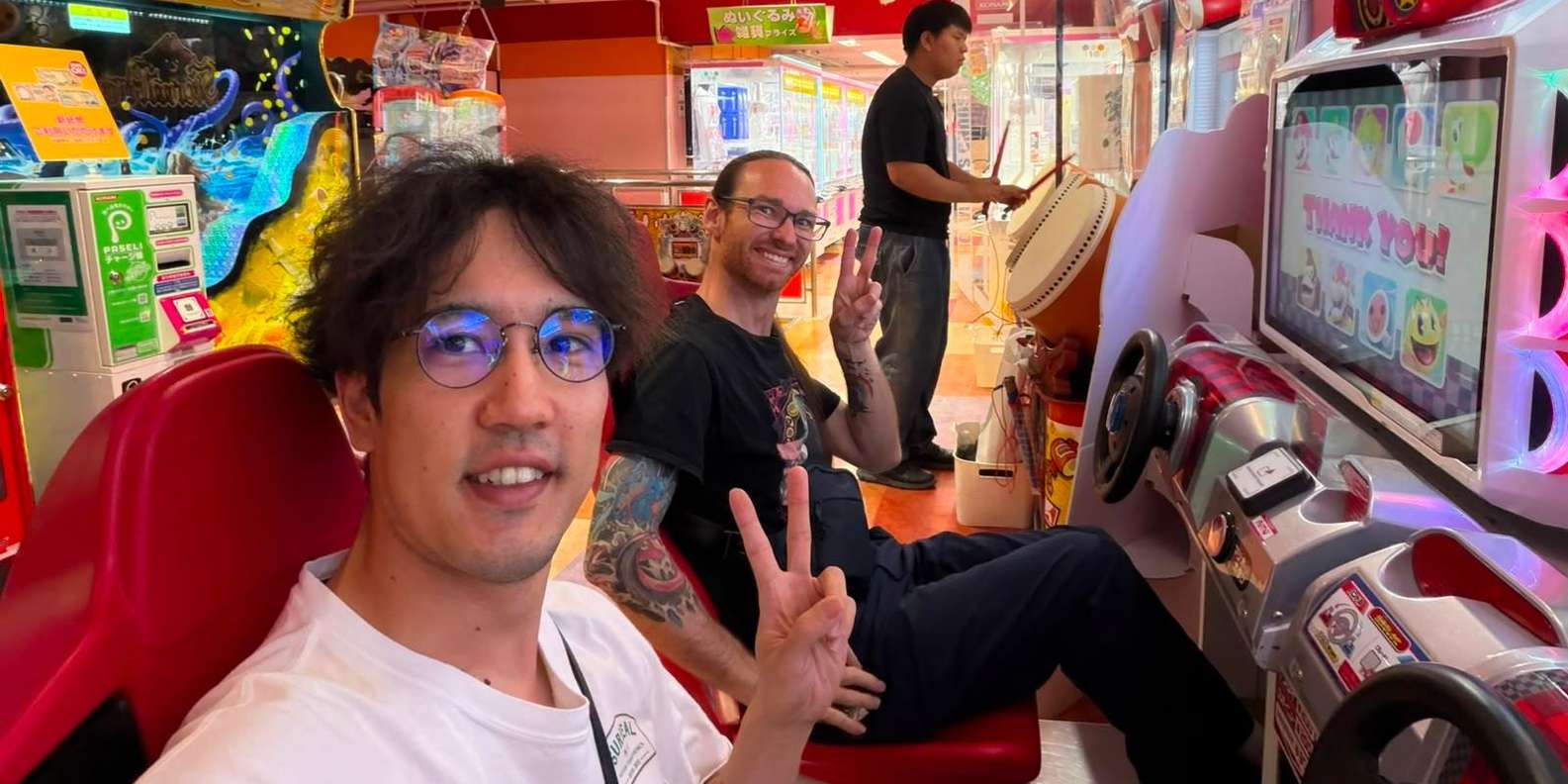
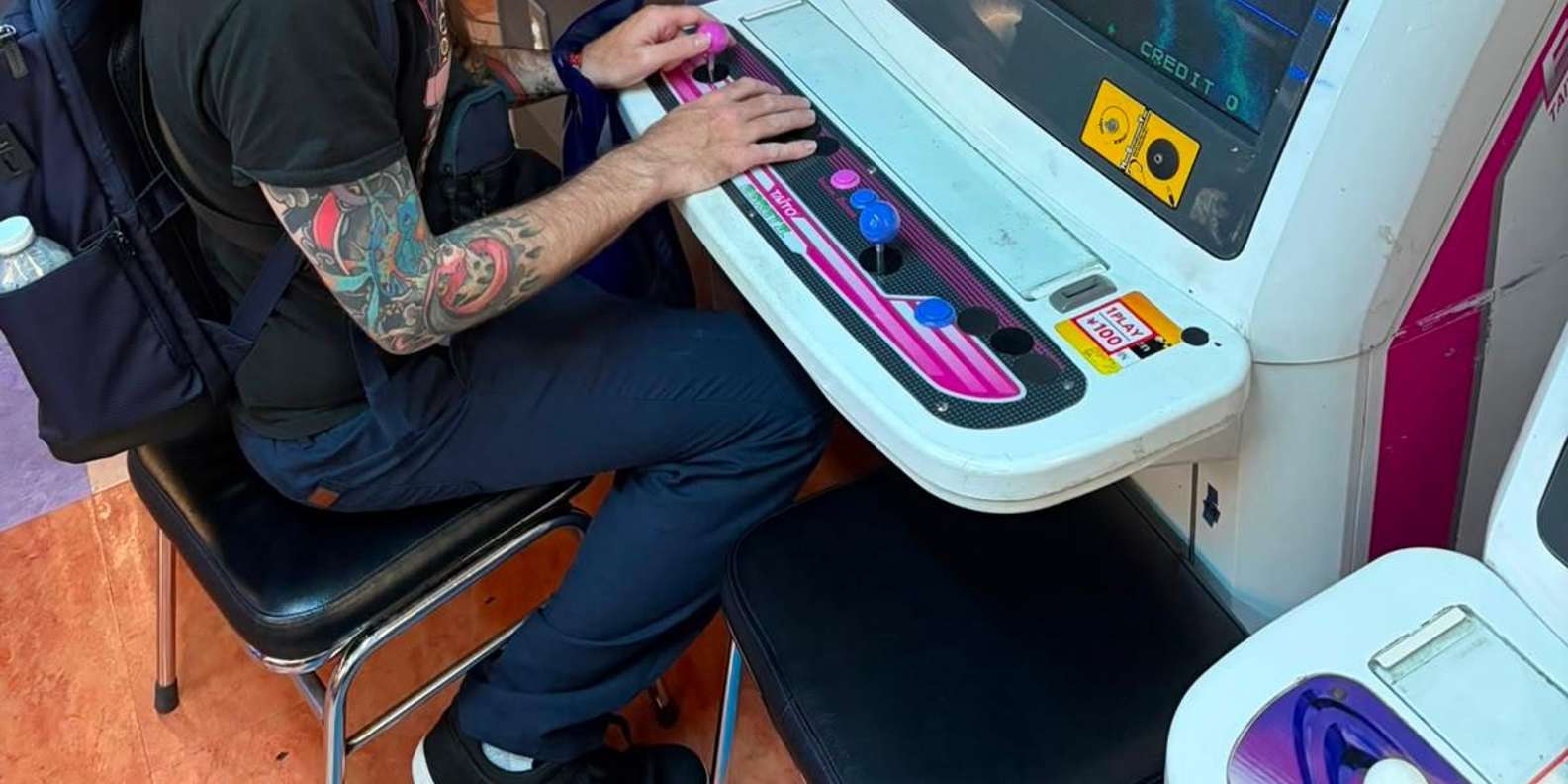
"This tour was amazing! I've always dreamt of visiting Akihabara, and my tour guide Atsuko, made sure that the experience was memorable. We went to a bunch of amazing places and I had a blast! Atsuko was very knowledgable and I learned a lot. She was also very witty, so the tour was very interesting as well. I highly recommend this tour."
"Masato, our guide, was an excellent. He took us to many shops we would have missed. The Amine is just mind blowing. So much to see. Another world. 1000’s of people looking at and buying models of characters. And then we finished at a theme restaurant called Maid dreaming, which was a lot of fun."
"My tour guide Masa was great! Very knowledgeable and catered the tour to my interests!"
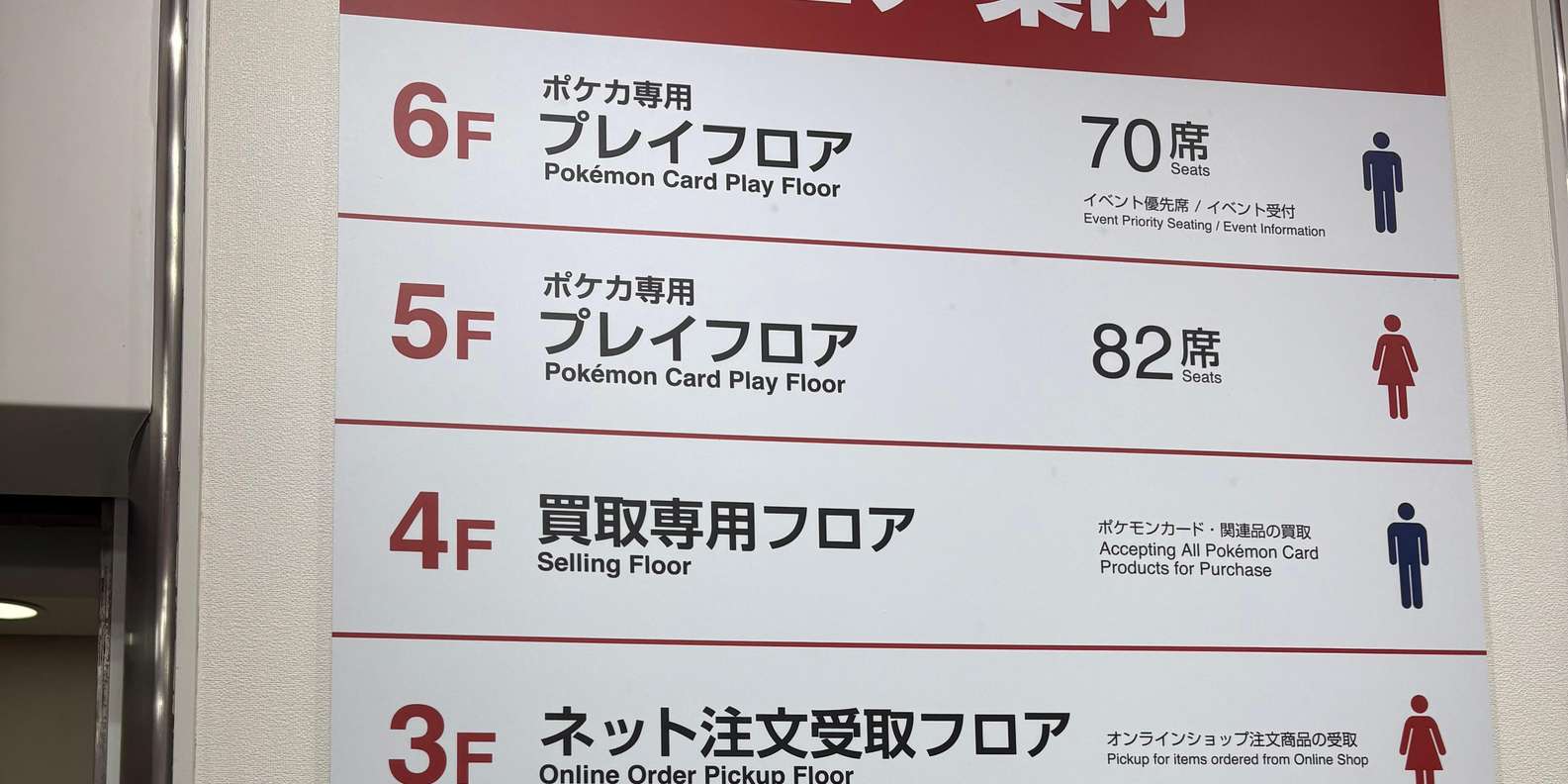
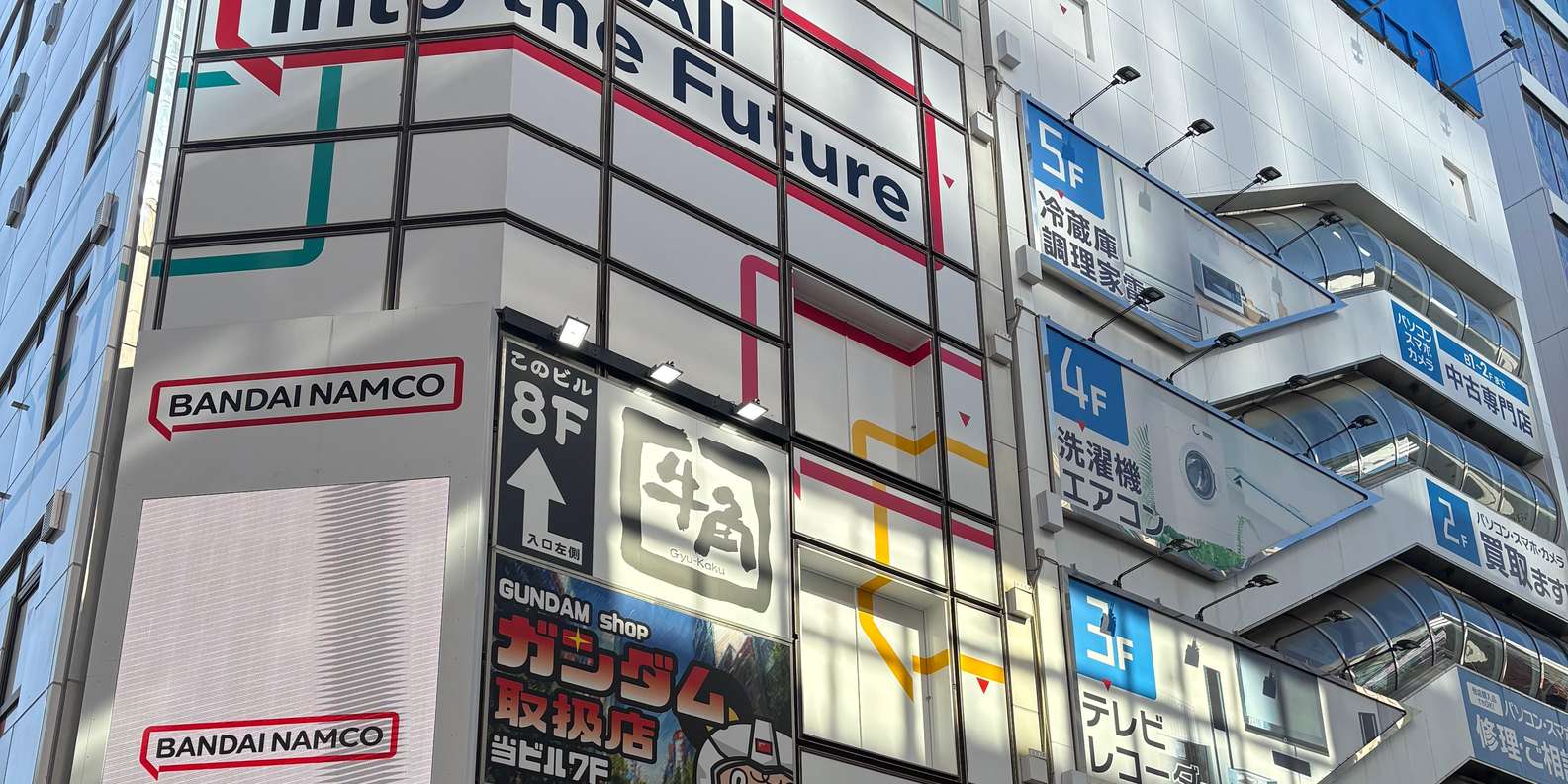
"Fantastic tour, Shingo took us to some great places based on what we liked and showed us the best places for purchasing anime and other things we were interested in. It would’ve been a lot harder to navigate without knowing where to go. I recommend it."
Read all 173 verified reviews
See All ReviewsBook the Private Akihabara Anime Tour
A guide who messages you before the tour to ask what you are hunting for, then spends the day finding it — rated 4.8/5 by 173 verified guests, with free cancellation up to 24 hours before. Private departures are one group at a time, so summer dates go early. Starting from $94 per person.
Check Availability & BookCan't Make These Dates?
Browse More Available Options
Find a tour that fits your schedule — all with instant confirmation and free cancellation.
Tokyo Anime Tour Questions, Answered Straight
The questions people actually search for, answered with the platform's own figures and sources we can name. Where we could not verify something, we say so rather than filling the gap.
There is no single best one, because the fifteen Akihabara tours on the platform differ mainly in what they pay for on your behalf. The most-reviewed is a $38.04 walk rated 4.8 from 194 verified guests, which includes an hour of maid-café admission, a drink and a photo. The most tailored is a $93.83 private tour built around a shopping list you send in advance — though its own exclusions line says food and drinks are not included. Our full price ladder compares eight tiers side by side.
Yes — it is the densest concentration of it anywhere in Tokyo, and it is vertical rather than spread out. Radio Kaikan alone runs ten floors above ground of figures, dolls and trading cards, with Kaiyodo on the fifth, AmiAmi on the fourth and K-Books on the third. Add Mandarake Complex's eight floors, a second nine-floor Mandarake that opened in 2025, around half a dozen genre-split Surugaya branches and Super Potato's three floors of second-hand games. All of it is free to walk into.
Partly, and it is fair to say so. The arcades are worth an hour on their own — crane machines, rhythm cabinets and retro floors, with prizes capped by police guidance at a retail value of roughly ¥1,000. Yodobashi Camera's very large electronics store trades 09:30–22:00 on the far side of the station. And Kanda Myojin, a working shrine about ten minutes' walk away, has nothing to do with anime at all. If none of that appeals, spend the afternoon somewhere else.
Day if you are shopping, evening if you want the lit signage. Super Potato closes at 20:00, Mandarake Complex opens at noon and closes at 20:00, and Gachapon Kaikan shuts at 20:00 on weekdays and 19:00 on Sundays. Arcades run to 23:30 or midnight — but by law they close between midnight and 06:00, and under-18s cannot be there after 22:00. The single best slot is a Sunday from 13:00, when Chuo-dori pedestrianises and the shops are still open.
Every tour compared here lists an English-speaking guide, and several run in English and Japanese. That is most of what you are actually paying for. The large duty-free electronics retailers advertise English, Chinese and Korean support, but we could not verify any general claim that English signage is common in the specialist shops — and second-hand condition grades and pre-owned pricing, the text that matters most to a buyer, are printed almost exclusively in Japanese.
Group, unless you arrive with a specific list. Several reviewers of the $53.89 group tour describe turning up to a departure and finding they were the only booking, which made it private by accident. That is a small-market artefact rather than a promise, and you should assume a full group on a summer weekend. Private is worth the extra roughly $40 if you are hunting a particular figure line or console model: the $93.83 tour messages you before the day to ask exactly what you want.
Three to four hours covers it properly, which is what the tours here are built to. The district is only about a twenty-minute walk end to end, but the stock is stacked upwards — Radio Kaikan is ten floors, Mandarake Complex is eight — so your time goes into buildings rather than distance. One operator puts the total walking on its own tour at 1.5 to 2 kilometres, which tells you how little of the afternoon is spent covering ground.
Bring coins specifically. One operator recommends ¥800–1,500 in cash for arcades and capsule machines, and includes a single capsule turn capped at ¥500 or less in its tour price. Shops take cards perfectly well; the machines want ¥100 coins. Budget separately for a maid café: entry at the two large chains is ¥850–880 an hour, and a realistic hour with a drink comes to about ¥2,000–3,500 a head.
Figures, trading cards, second-hand games and capsule toys are the four categories the district does better than anywhere else in Tokyo. Capsule toys are the most travel-friendly souvenir. One timing note worth planning around: Japan's tax-free system changes on 1 November 2026 from deducting the tax in store to refunding it at the airport on departure, so how you claim it depends on which side of that date you travel.
Gachapon are capsule-toy machines — you turn a handle and get one item from a series at random, so you cannot choose which. Akihabara Gachapon Kaikan on Sotokanda 3-15-5 keeps around 500 of them and rotates roughly 50 new titles a month, opening 11:00–20:00 on weekdays and 11:00–19:00 on Sundays and public holidays. Two of the tours compared here include one turn in the price, which saves hunting for coins.
Yes, with two caveats. Arcades are barred to under-18s after 22:00 by law, so keep an arcade plan to the daytime. And accessibility varies sharply: one tour on this page excludes children under two and does not allow strollers on parts of its route. The $44.27 arcade-and-gachapon walk is the most concretely family-specified — one arcade kart play and one capsule turn included, and a stated rule that under-12s must be with an adult.
Sunday afternoon, narrowly. Chuo-dori closes to traffic from 13:00 to 18:00 between April and September, and 13:00 to 17:00 between October and March, over a 570-metre stretch that has been pedestrianised on Sundays since 1973. Cycling, street performance and handing out leaflets are all prohibited inside the zone, so it is a good deal calmer than its 2000s reputation suggests. Shops keep normal hours.
Almost all of them meet at the ticket office immediately outside JR Akihabara Station's Electric Town Gate, on the west side of the station facing Chuo-dori. None of the tours compared here includes hotel pickup, and none mentions luggage storage — use station lockers or a luggage service beforehand, because the routes run through narrow shop aisles and several floors of stairs and lifts.
No, because it is no longer there. The Tokyo Anime Center opened in Akihabara's UDX complex, moved to Ichigaya in 2017, and has been in Shibuya since April 2021, where it operates inside DNP Plaza at Shibuya MODI. A great many travel pages still place it in Akihabara, so this is a common wasted walk. If a ticketed museum rather than a shopping district is what you want, that is a different trip.
Still have questions? Email us at info@tokyoanimetour.com